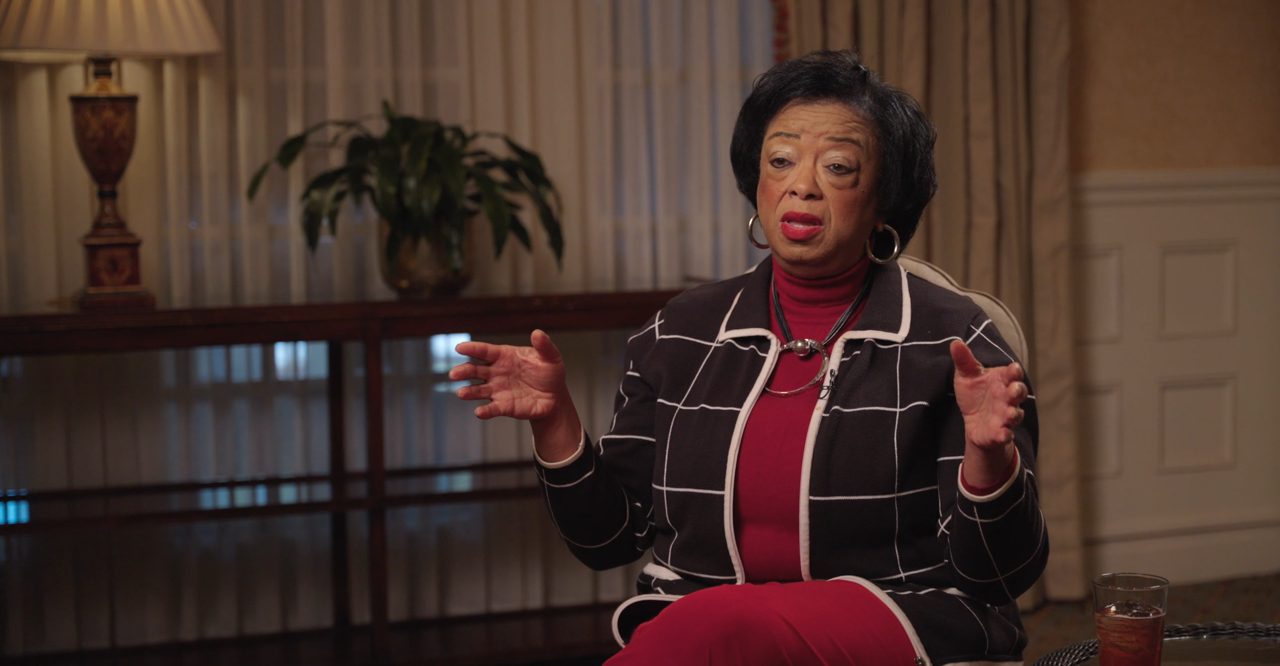
Mary Thomas interviewed by Grady Powell
Creating Engagements of Reciprocity
An interview with Mary Thomas, President and CEO of CFLeads, on how community foundations can build trust and bridge divides
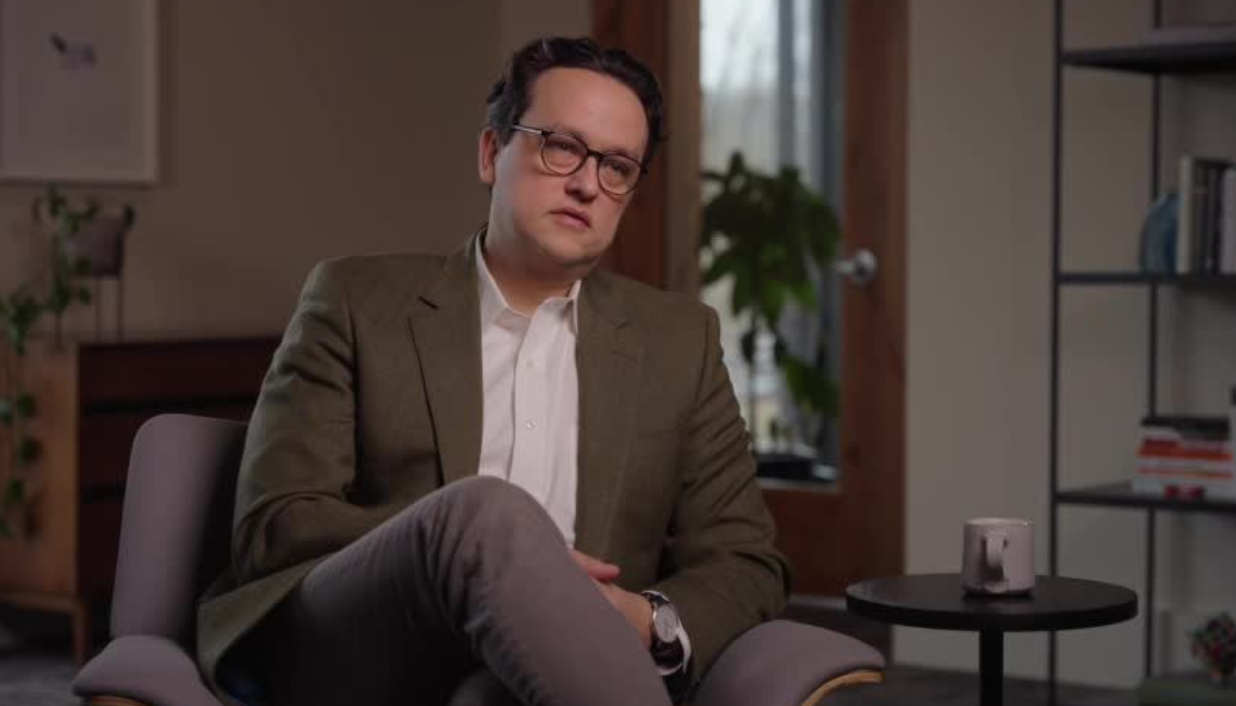
Openfields CEO Grady Powell recently sat down with author and philosopher Ian Marcus Corbin to discuss his new book, To Arrive Where We Started: Belonging in the Modern World (Yale University Press, 2026). which examines the structural reasons why so many people feel “ill at home” in their communities and in the world. It’s a conversation that gets to the heart of the work we pursue here at Openfields: moving past social symptoms to interrogate how we might intentionally redesign the institutions and cultural narratives that anchor our collective identity and sense of place.
Corbin’s foundational thesis is sobering: modern isolation is the logical byproduct of hyper-individualism. Genuine belonging occurs when we are organized around shared projects, values, and beliefs. Yet mainstream culture has tasked young people with privately fabricating their own sense of meaning. "Go-it-alone" and make your own meaning is ultimately a thin promise that quickly collapses under its own weight, leaving many young adults adrift and reporting a profound deficit of purpose. This vacuum of purpose intersects directly with our shared material anxieties. The well-traveled pipeline of students from elite colleges, like Harvard where Corbin teaches, moving into high-status finance careers is no longer driven by unbridled ambition, but by a defensive bid for self-preservation. Believing the broader system is fundamentally unstable, these young adults seek wealth as insulation. This is one psychological fallout of the “Great Risk Shift,” a decades-long social realignment where institutions systematically offloaded economic volatility from collective balance sheets onto individual shoulders. Now, when even the most economically advantaged feel precarious, there is a broad social vulnerability that can be leveraged for good or ill.
"Across the wealthy world, there's been a pull-back from communal caretaking and towards the individual being empowered to just go it on its own... this universalizing of precarity is an opening for a different kind of conversation."
Our collective search for security is inextricably bound to a deeper cognitive need for a cosmic framework: a shared narrative that situates our lives within a larger order. Corbin notes that human communities have historically oriented themselves around these spiritual horizons, an impulse that modern secularism cannot simply outgrow. He sees that many college students, and younger generations in general, are returning to religion to fill this void of purpose. Yet, when healthy civic institutions abandon the terrain of creating spaces and experiences for forming shared meaning, this longing for a sacred home is easily weaponized, perhaps especially by bad religious actors. The danger is a defensive, pugilistic ethno-chauvinism that uses faith not as a baseline for hospitality, but as a mechanism of exclusion.
This window of vulnerability which can be weaponized, also presents the creative opportunity for philanthropy and civic intermediaries to invest in and elevate communities in shaping meaning together.
The urge toward homecoming, toward belonging, is so strong...that we will spend a lot of energy to make a home again for ourselves... I don't think anything, anything is written about what kind of home we find our way back to, or if we find it back in a thoughtful, humane, open-hearted way, or if we find our way back in a sort-of exclusive, chaivinistic, mean way... where we construct a sense of home aronud who our enemies are, who we exclude. That's the easy way. That's the cheap way.
Ian's hope is that this cultural moment serves as a wake up call and a challenge to the leaders and institutions who want to see our way forward as more humane, inclusive, and open hearted.
Watch more of our interview with Ian.
About Ian Marcus Corbin
Ian is a Senior Fellow at Capita. He is also a philosopher on the Neurology faculty at Brigham and Women’s Hospital / Harvard Medical School, where he co-directs the Human Network Initiative. He serves on the ethics committee at Brigham and Women’s, and helps to direct the Trust and Belonging Initiative at Harvard’s Human Flourishing Program. He has studied politics, religion and philosophy at Gordon College, Oxford University, Yale University and Boston College, with an eye to the ways that deep human values function in the formation and evolution of human communities.
At Harvard Medical School, he studies intersubjectivity, cognition and human flourishing. He is currently writing a book on belonging and world-making for Yale University Press. He has taught at a number of colleges and universities in the Boston area and published widely in venues such as the Washington Post, The New York Times, Newsweek, The Point and Plough. In a former life he founded and ran a contemporary art gallery in Boston’s South End.

Find us in Greenville, Asheville, and DC.