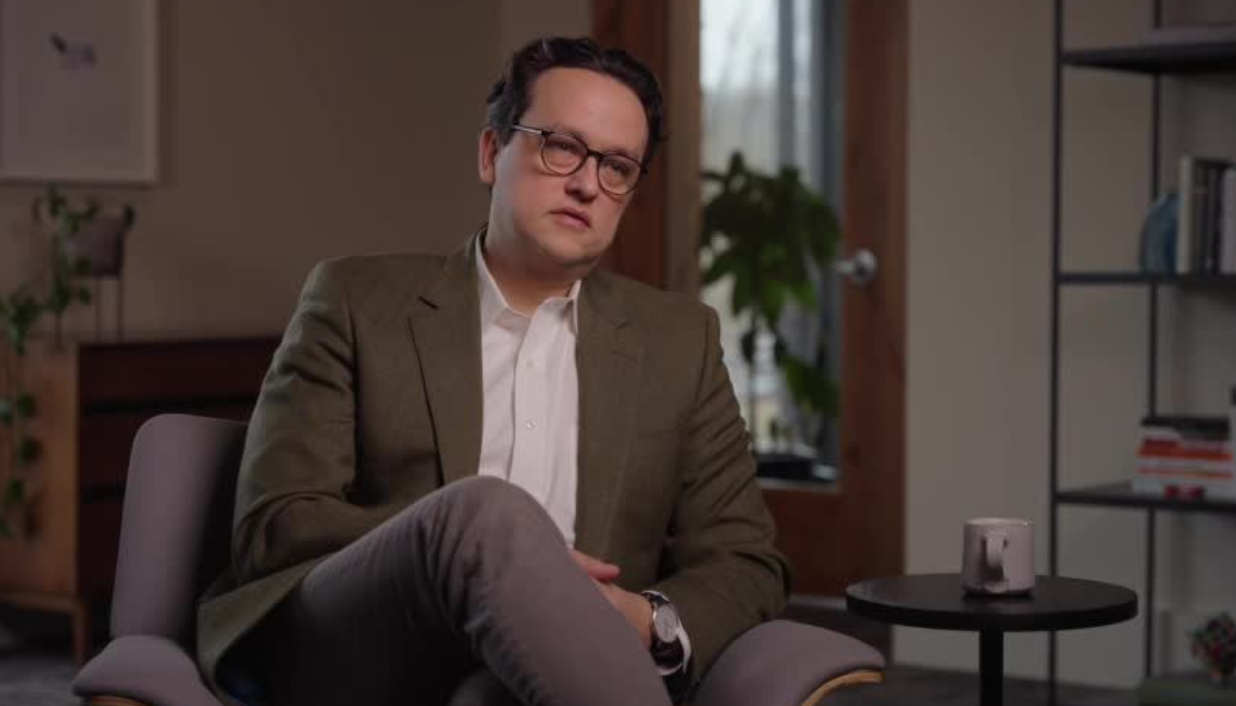
Ian Marcus Corbin interviewed by Grady Powell
An Open-hearted Way Home
Author and philosopher Ian Marcus Corbin on his hope for a humane, open-hearted way to rebuilding community in an era that is desperate for it
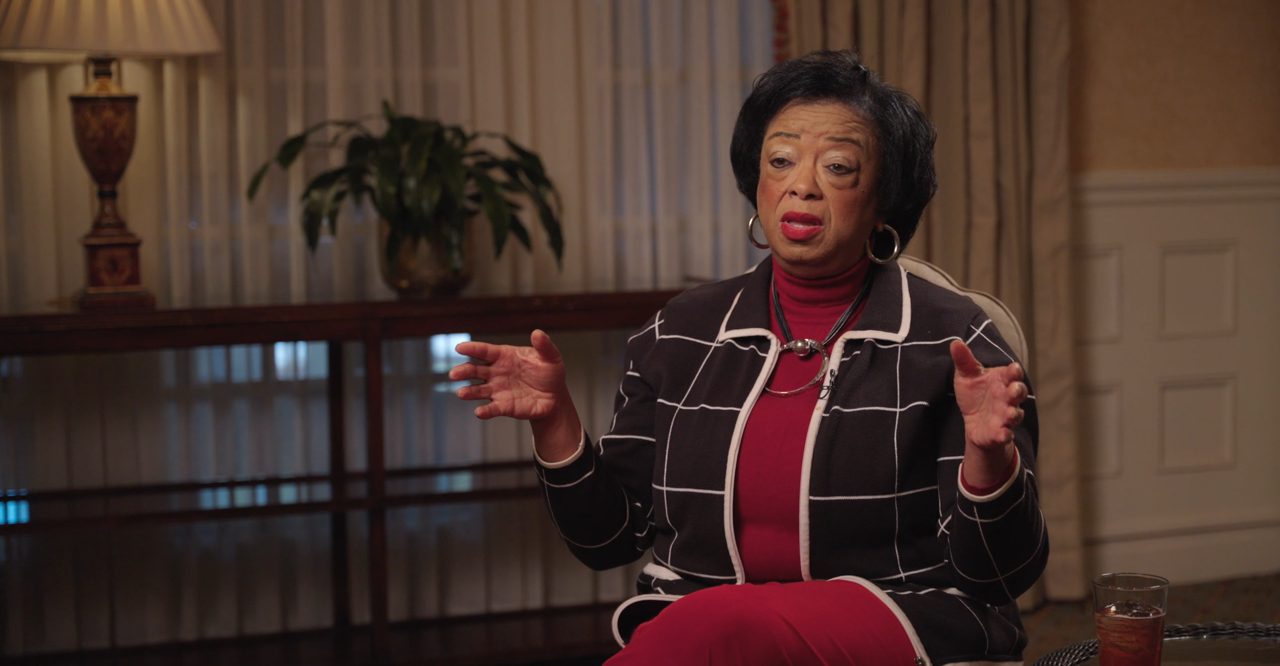
Openfields CEO Grady Powell sat down with Mary Thomas, President and CEO of CFLeads in January 2026 to discuss the evolving role of community foundations in leading community change - not just writing checks.
"We are building a movement where community foundations can confidently speak to what it means to come together from all different ideologies and political persuasions to focus on what matters. Can we set aside our differences for a minute, for an hour, whatever length of time it's going to take for us to restore healthy conversations, ways that we can engage that moves us down a road where were not continually fighting each other . It sounds like common sense, but it takes work."
Building Trust, Community Leadership, and Lasting Community Change
Many people think of community change as a funding challenge. Mary Thomas thinks of it as a relationship challenge. Thomas, President and CEO of CF Leads, has spent a lifetime building community. Her experience shows that lasting change happens not when institutions act on communities, but when communities develop the trust, relationships, and capacity to solve problems together. "As a child, I don't think I knew the word philanthropy," Thomas says. "But I grew up in philanthropy. My grandparents and parents were philanthropists, how they cared for everyone in the community." That understanding of community as a network of relationships has shaped her work ever since. Whether leading the Bethlehem Center or the Spartanburg County Foundation, Thomas saw what became possible when people focused on shared values and a common future. "We got a lot of stuff done," she recalls. "Why? Because community was at the heart of what we were concerned about." But community is not built through strategic plans alone. It is built through trust. And trust requires proximity.
Community Engagement Requires Proximity and Reciprocity
For many organizations, community engagement means inviting residents into a process that is designed for the organization's priorities, not the residents'. Thomas explains that her work has often taken place on evenings and weekends because that's when residents are available. "When you're truly talking about community building, we've got to meet them where they are," she says. "These folks are working. They can't come to a meeting at 10:00 in the morning." It's not just a question of proximity, but also of reciprocity. "We're getting paid," Thomas says bluntly. "They're coming because we need their information." Rather than treating residents as beneficiaries or sources of input, Thomas believes organizations should create genuine partnerships where everyone benefits from participation.
The Role of Community Quarterbacks in Community Development
Thomas argues that community quarterbacks—trusted intermediaries who bridge the gap between residents, funders, nonprofits, businesses, and civic institutions—are a key element of the relational approach that drives lasting change. Community quarterbacks are not necessarily the people with the most authority or resources. Instead, they are people willing to invest the time needed to build trust across groups that may not naturally work together. "The success that I've seen with community quarterbacks who have really made things happen is that they have been humble enough to say, 'I don't know everything,'" Thomas explains.
By being present, learning from community members, and building relationships, quarterbacks create the connective tissue that allows communities to solve problems collectively. "You start to build this whole network," Thomas says. "It's like magic." But she also points out that the work is not necessarily easy. Genuine reciprocity and proximity require patience, authenticity, and vulnerability. "The key word is being uncomfortable," she says. "Because it's not comfortable."
Community Leadership and the Future of Place-Based Philanthropy
Perhaps that is the most important lesson of Thomas's career. Communities are not transformed by programs alone. They are transformed by relationships. Community quarterbacks help create those relationships, making them one of the most important—and often overlooked—investments available to foundations, nonprofits, community foundations, and civic leaders seeking lasting community impact.
Watch selections from our interview with Mary Thomas.
About Mary Thomas
Mary L. Thomas is President & CEO of CFLeads since May 2023. Ms. Thomas previously served as the Chief Operating Officer of The Spartanburg County Foundation and as the Executive Director of the Robert Hett Chapman III Center for Philanthropy. Prior to joining the Foundation in 1998, Ms. Thomas was the Executive Director of The Bethlehem Center, a ministry that serves families in the Highland community of Spartanburg, SC. Ms. Thomas is a graduate of Winthrop University and holds a Bachelor of Arts Degree in French and Communications. She was an exchange student to France through Lenoir-Rhyne College in 1983 and is a former French teacher in Spartanburg District 7 schools. Ms. Thomas was ordained as a minister in 1986 by the Rocky River Baptist Association and is the second female to have that distinction in the Association. She is a member of Cornerstone Baptist Church where she serves as an Elder and Ministry Advisor. Ms. Thomas holds many honors, including the Order of the Palmetto issued by the governor of the State of South Carolina.

Find us in Greenville, Asheville, and DC.