Initiative
Intermediaries as Civic Institutions
For millennia, humans have relied on social cooperation to survive, but modern complexities like migration and social media have frayed the basic bonds needed for collective action.
Today, local communities frequently struggle to find the cooperative means to address systemic modern crises, from resource competition to ecological decay. Despite facing seemingly insolvable challenges like poverty and violence, communities are actively experimenting with new tools to confront and solve these issues together.
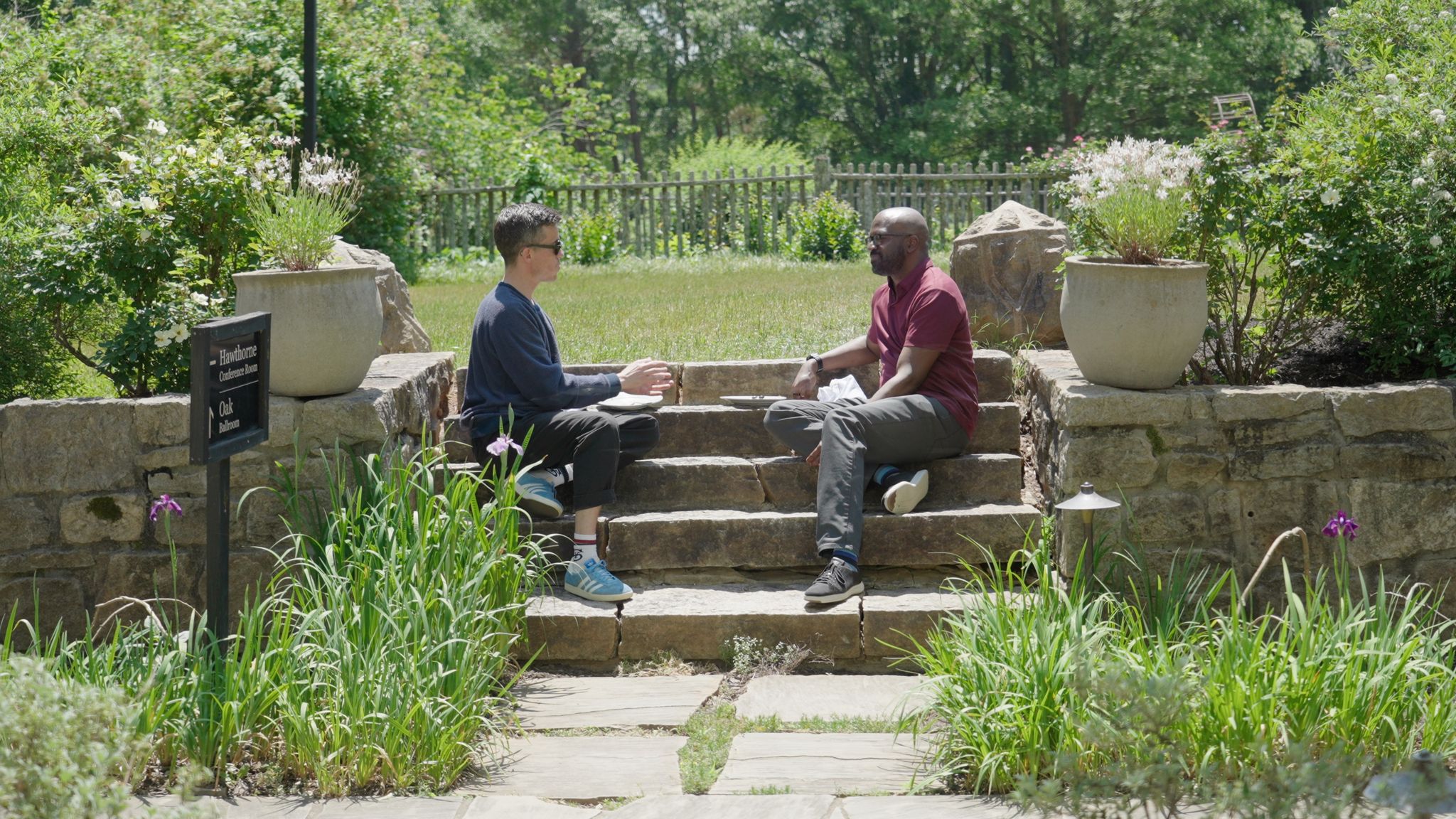
The Role of Intermediaries
To address evolving local challenges, communities rely on "civic capacity"- their collective ability to solve problems- a concept rooted in social capital and public power. While government and religion historically drove this work, modern philanthropy has introduced place-based intermediaries: geographically-focused organizations that tackle social issues by fostering trust, developing shared visions, and strategizing collectively. Though these intermediaries often view community capacity-building merely as a means to specific project goals, their efforts build vital social infrastructre that quietly safeguards our collective well-being.


Capacity to act in concert for a public-political purpose.
Hannah Arendt
Building Capacity for Change
Do you have the framework to narrate or measure impact or connect back to your more imediate public health, education, or workforce objectives? Openfields would form a learning cohort focused on exploring how intermediary funders and Non-profit Organizations might imagine their role and impact more in terms of building social capital and a sense of belonging and agency.
Challenges & Questions
Measurement: while many have sought to measure the concepts here, in all cases the concepts are too slippery at this point to lend themselves to useful measurement.
Key measurement challenges include:

individual vs collective measurement,
the degree to which subjective feelings like belonging or a sense of capacity are usefull stand-ins for the concept at hand

Find us in Greenville, Asheville, and DC.
© 2026 Openfields. All right reserved.
Join our team
